
Background
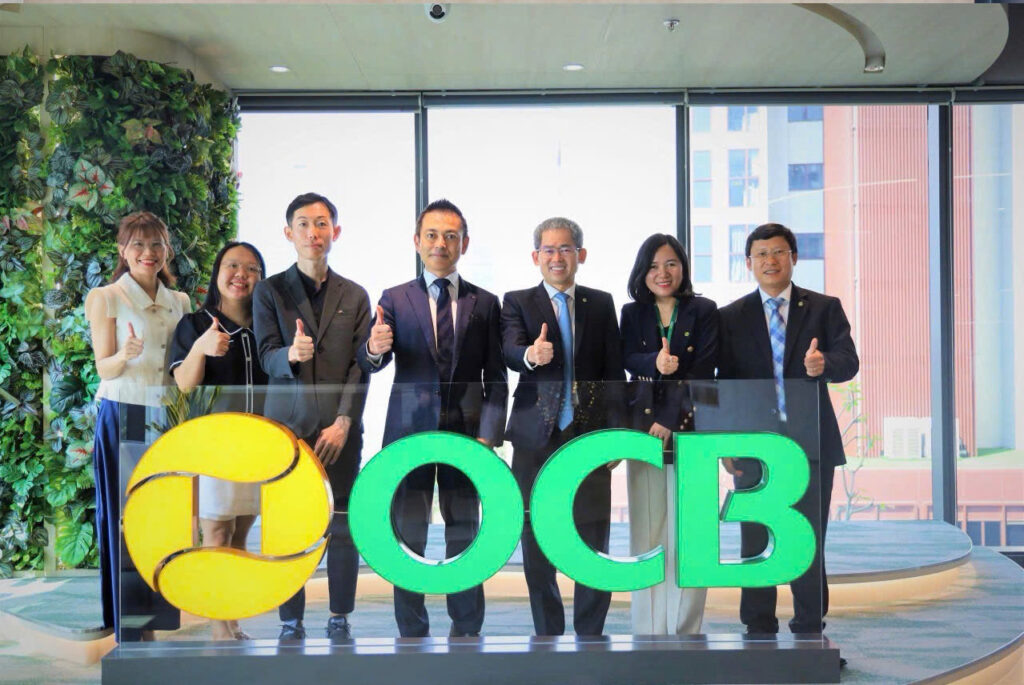
In December 2025, Nomura Real Estate Vietnam Co., Ltd. (NREV) signed the Pink Deposit Agreement with Orient Commercial Bank (OCB). This program was initiated by NREV and jointly implemented with OCB, demonstrating proactive leadership in creating impactful social initiatives. This initiative aims to support disadvantaged children in Vietnam, enabling them to continue their education and create opportunities for a better future for themselves. It reflects NREV’s strong commitment to addressing social and community issues and contributing to sustainable development.
What is Pink Deposit
Pink Deposit is a socially responsible term deposit product offered by OCB. With this product, a portion of each corporate deposit is automatically donated to non-profit organizations engaged in social support activities, such as the Poor Students Fund in the Highlands*1 and the Vietnam Children’s Fund*2.
This allows companies to participate in social contribution initiatives—such as supporting education and disadvantaged communities—while managing their assets, thereby enhancing both corporate value and brand image.
*1: A fund dedicated to helping children in remote mountainous regions continue their education by improving learning environments and fostering motivation.
*2: A fund operated by an international non-profit organization that supports children and women in Vietnam, primarily through school construction and educational improvement for those in need.
Corporate Responsibility in Supporting Communities and Society in Vietnam
Vietnam is making significant efforts to address social inequality and improve educational opportunities for all. In this context, the role of responsible corporations is increasingly recognized. NREV’s participation in the Pink Deposit program is highly regarded both domestically and internationally as a forward-thinking initiative that contributes to the country’s social progress.
NREV’s Commitment to Social Responsibility
As a company with 100% Japanese investment based in Vietnam, NREV fully recognizes the importance of actively contributing to social development in line with the global trend toward sustainability for a prosperous society.
NREV’s business philosophy focuses on addressing social issues in Vietnam by supporting projects that help disadvantaged children overcome hardships. The Pink Deposit Agreement is not merely a financial transaction; it is a strategic step toward fulfilling social responsibility and supporting community development.
Furthermore, NREV places special emphasis on collaboration with local stakeholders, actively building trust within communities and promoting educational initiatives throughout Vietnam.